
Dr Giorgio Chianello
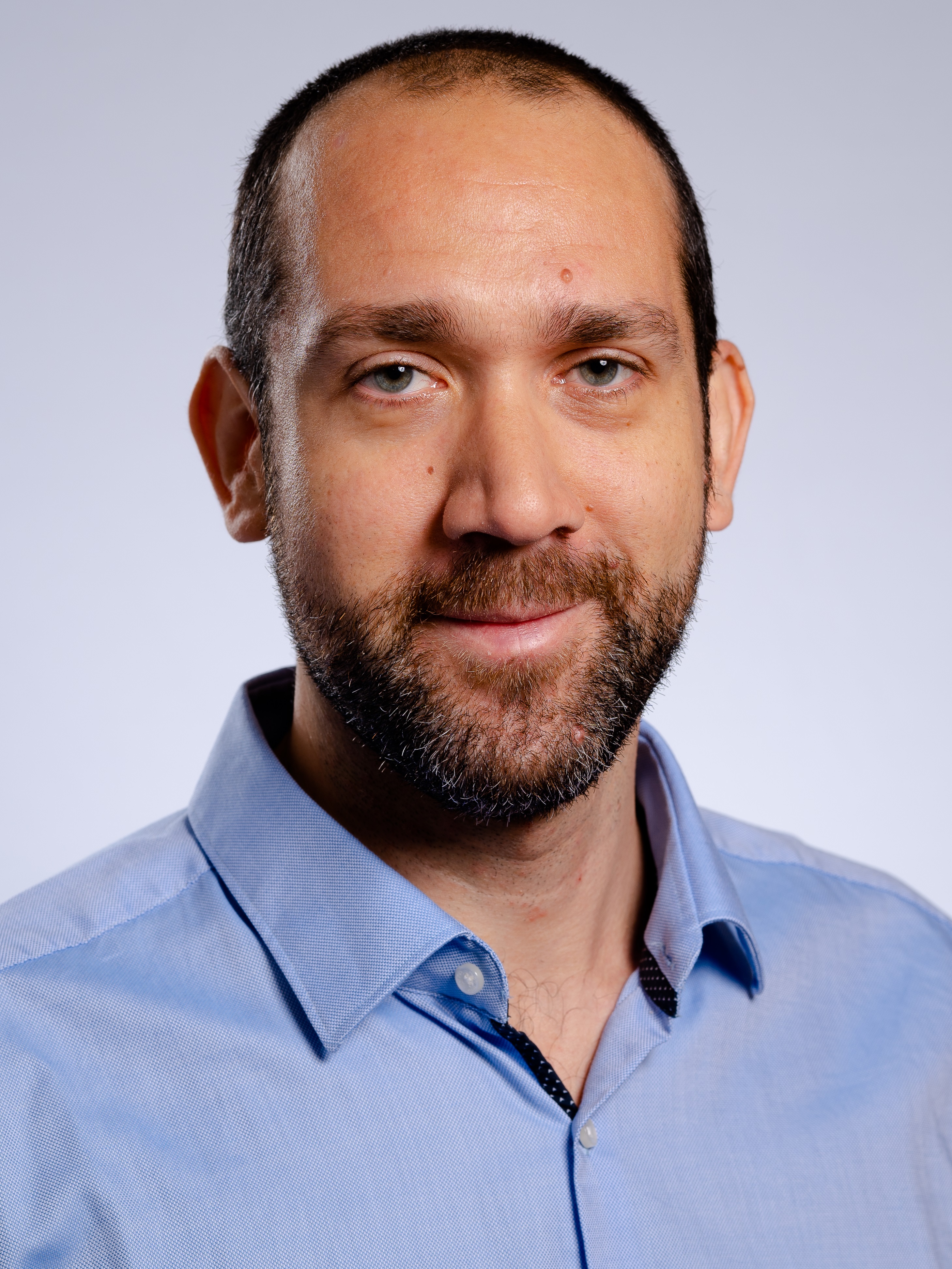
Reader in Chemistry | Chemistry Programme Director | Deputy Director of Education | PLTL Lead
Email: g.chianello@qmul.ac.ukTelephone: +44 (0)207 882 6712Room Number: Joseph Priestley Building, Room 1.03
Profile
Dr Giorgio Chianello is a Reader (associate professor) in Chemical Education, Chemistry Programme Director, Deputy Director of Education for the School of Physical and Chemical Sciences and Peer Lead Team Learning (PLTL) Lead for Chemistry. Giorgio is currently an external examiner for Xi'an Jiaotong-Liverpool University. He is a Senior Fellow of the Higher Education Academy and a Member of the Royal Society of Chemistry. Currently, he is an elected member of the senate at Queen Mary University, and a member of the Higher Education Committee of the Royal Society of Chemistry which represents those with an interest in chemistry in higher education and provides a supportive network promoting collaboration, innovation, and dissemination of effective learning and teaching practice throughout the chemical sciences. He is a member of the Centre for Excellence in Artificial Intelligence in Education and reviewer for the Student Enhanced Engagement & Development (SEED) Award.
Before joining QMUL as an academic Giorgio's background was based on nanotechnology and drug delivery. However, he is now involved in scholarship focusing on new teaching technologies [including use of generative artificial intelligence (GenAI) and virtual reality (VR)] and enhancing diversity and inclusion within the scientific community. He was awarded the Queen Mary University of London Excellence in education Award in 2025 for his work on the restructure of the Foundation Science and Engineering Programme he led between 2023 and 2025. His work on student-staff co-creation has been recognised by the Faculty of Science & Engineering Student Experience and Education Award in 2022 and the Student Enhanced Engagement & Development (SEED) Award in 2021.
Giorgio has over 10 years of experience delivering outreach and public engagement events and is very passionate about science dissemination and widening participation at all levels (schools, professionals, universities, the general public etc.). Giorgio was involved in the design, organisation and delivery of numerous activities including Spectroscopy Masterclasses (hands-on IR and NMR workshops for sixth form students), Laboratory Taster Days, the International and Residential Chemistry Summer Schools, the Salters Festival of Chemistry, and the Festival of Communities. Giorgio delivers talks for academics, professional services members of staff, schools and colleges on various topics including Artificial Intelligence for Education and Research, Nanotechnology, Studying Chemistry at University, Careers in Chemistry, Spectroscopy, Pharmaceutical Chemistry and more.
Teaching
Current:
CHE100 Essential Skills for Chemists (delivering tutorials since 2018/19)
CHE210 Essential Skills for Chemist II (taught since 2019/2020, Module organiser since 2022/23)
CHE206A Pharmaceutical Chemistry (Sem A) (Module organiser in 2016/17, 2025/26 and taught in 2019/2020)
CHE206B Pharmaceutical Chemistry (Sem B) (taught since 2020/2021, Module organiser 2023-2025)
CHE600/1 Chemistry Research Project (project supervisor since 2020/2021)
CHE706P Fundamentals of Medicinal Chemistry (Module Organiser/developer since 2024/2025)
AI in education and research interactive session/workshop (embedded into various modules and delivered as a standalone for students and staff from any background)
Past:
SEF004 A closer look at Chemistry (taught 2020-2023)
SEF042 Science and Engineering Success (Module organiser/developer taught 2024/2025)
CHE101 Foundations of Practical Chemistry (supervised labs in 2016/17, 2018/19, Module organiser in 2019/20, Examiner 2020-2023)
CHE102A Fundamentals of Organic Chemistry (taught 2020-2024)
CHE102B Fundamentals of Organic Chemistry (taught in 2016/17 and 2019/2020)
CHE104 Fundamentals of Spectroscopy (taught in 2017/18 and Module Organiser in 2018/19)
CHE202B Structure and Reactivity in Organic Chemistry (taught in 2016/17 and 2020/2021 and Module Organiser in 2021/2022)
CHE211 Practical Chemistry (supervised labs 2017-2019, Examiner 2020-2023)
CHE300/301/311 Advanced Practical Chemistry (supervised labs and supported examination in 2017/18, 2018/19 and 2019/2020)
CHE306U Advanced Pharmaceutical Chemistry (taught in 2017/18 and Module Organiser 2018/19 and 2021/2022)
Research
Research Interests:
Enhancing diversity and inclusion within the scientific community and employing innovative teaching technologies including use of generative artificial intelligence (GenAI) and virtual reality (VR).
Projects
Making diversity Count Fixing the Leaky Pipeline as part of the Missing Element grant from the Royal Society of Chemistry (October 2023 - October 2026)
Creating curriculum resources to showcase scientific contribution from overlooked scientists.
Developing Literacy and Levelling Access to Artificial Intelligence for Education and Research, EPSRC grant (October 2025 - March 2026)
Delivering sessions on artificial intelligence (AI) to develop AI literacy for sixth form students (year 12 and 13).
Making diversity Count Fixing the Leaky Pipeline as part of the The President and Principal’s Fund for Educational Excellence from QMUL (since 2024)
Creating a virtual reality environment powered by large language models were people are able to interact with avatars from overlooked scientists.
AI tools for education and research (since 2023)
Interactive sessions for students from foundation to master level and members of staff.
RSC Chemistry for All grant (September 2021 - July 2024)
Designing and delivering a wide range of activities for schools to promote chemistry
Queen Mary University of London Westfield fund (October 2021 - October 2022)
Support the delivery of a chemistry residential summer school targeting sixth form (year 12) students from disadvantaged background.
RSC Inclusion and Diversity fund (August 2020 - July 2021)
Co-creating teaching resources with undergraduate student to enhance inclusion and diveristy.
Examples of research funding:
Making diversity Count Fixing the Leaky Pipeline as part of the Missing Element grant from the Royal Society of Chemistry (October 2023 - October 2026)
Creating curriculum resources to showcase scientific contribution from overlooked scientists.
Developing Literacy and Leveling Access to Artificial Intelligence for Education and Research, EPSRC grant (October 2025 - March 2026)
Delivering sessions on artificial intelligence (AI) to develop AI literacy for sixth form students (year 12 and 13).
Making diversity Count Fixing the Leaky Pipeline as part of the The President and Principal’s Fund for Educational Excellence from QMUL (since 2024)
Creating a virtual reality environment powered by large language models were people are able to interact with avatars from overlooked scientists.
AI tools for education and research (since 2023)
Interactive sessions for students from foundation to master level and members of staff.
RSC Chemistry for All grant (September 2021 - July 2024)
Designing and delivering a wide range of activities for schools to promote chemistry
Queen Mary University of London Westfield fund (October 2021 - October 2022)
Support the delivery of a chemistry residential summer school targeting sixth form (year 12) students from disadvantaged background.
RSC Inclusion and Diversity fund (August 2020 - July 2021)
Co-creating teaching resources with undergraduate student to enhance inclusion and diveristy.